Quick answer: A groom should usually buy wedding shoes two to three months before the ceremony. That window allows sizing exchanges, short break-in sessions, and trouser alterations with the actual heel height. Custom or special-order shoes need a longer lead time based on the maker's stated schedule.
The direct answer for When Should a Groom Buy His Wedding Shoes
A groom should usually buy wedding shoes two to three months before the ceremony. That window allows sizing exchanges, short break-in sessions, and trouser alterations with the actual heel height. Custom or special-order shoes need a longer lead time based on the maker's stated schedule.
Buying much earlier is harmless when the style is settled and the shoes can be stored correctly, but return windows may expire before meaningful outfit tests occur. Buying during the final week creates unnecessary risk. Fit problems, sole noise, shipping delays, and mismatched trouser length are difficult to solve under deadline pressure.
How alterations changes the decision
The tailor should see the exact wedding shoes before finalizing trouser length. Heel height, toe spring, and vamp volume influence where the hem rests and how much break appears. Substituting a sneaker or another dress shoe can produce trousers that float above the wedding pair or collapse onto it.
Bring the intended socks as well, because their thickness can change fit and stance. If the shoe must be exchanged after alterations, look for a replacement with a similar heel and upper profile. Schedule the fitting early enough that the tailor can make a final correction without rush fees.
How break-in time changes the decision
Break-in should consist of several short indoor wears, not one punishing day. Begin with twenty to thirty minutes on clean flooring, then increase time if the heel, instep, and toes remain comfortable. The sole may become more flexible, but a shoe that causes numbness or sharp pressure is the wrong fit.
Use the socks planned for the ceremony and practice stairs, standing, and a few dance steps. Stop before hotspots become blisters. Two or three weeks of gradual testing is often enough for a correctly fitted pair, but a structured welted sole may benefit from more sessions than a flexible cemented shoe.
How return windows changes the decision
Check the seller's current return deadline before scheduling break-in. Keep packaging, labels, and accessories until fit is confirmed, and wear the pair only on clean indoor surfaces. Visible sole wear or deep creasing may make an otherwise timely return unacceptable.
A long lead time is useful only if the return period overlaps the first full-outfit fitting. If it does not, perform careful tests immediately after delivery rather than storing the box unopened. Confirm that the exact color, width, and material selected match the order before allowing the return clock to run.
How and rehearsal wear changes the decision
The rehearsal can be a useful final comfort test when it takes place indoors on clean surfaces, but it should not be the first wear. By then, the groom should already know that the size and flex point are correct. Outdoor rehearsal conditions can stain or saturate the pair, so use judgment based on venue and weather.
A brief try-on with the complete wedding outfit before the rehearsal is more important than logging maximum hours. Check trouser break, sock coverage, sole grip, and whether laces remain secure. The goal is familiarity, not making a new shoe look prematurely worn.
Common mistakes to avoid with When Should a Groom Buy His Wedding Shoes
The most damaging timing mistake is ordering after the final fitting. Another is assuming a familiar sneaker size will transfer directly to a dress-shoe last. Different toe shapes and internal volumes can require a different size or width even within the same brand.
Do not accelerate break-in with soaking, direct heat, or aggressive stretching. Those methods can damage adhesives, coatings, and leather while making the shoe unreturnable. A shoe that needs extreme treatment to become tolerable should be exchanged, not forced into service.
A practical before-you-buy checklist
Work backward from the final alteration date, then add time for at least one exchange. Confirm dress code, suit color, venue surface, and expected hours on foot before choosing a style. Check the exact variation for width options, upper material, sole construction, and current return terms.
After delivery, inspect both shoes, test indoors late in the day, and photograph the complete outfit. Keep a calendar of brief wear sessions rather than attempting a marathon break-in. Clean and store the confirmed pair with shoe trees or light support until wedding week.
CURRENT AMAZON OPTIONS
Use these as relevant comparison points.
As an Amazon Associate, we earn from qualifying purchases. Amazon links open the exact listing so you can confirm current size, color, price, and availability.
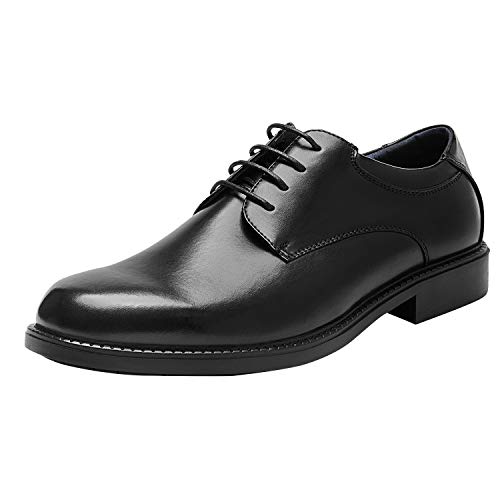
Bruno Marc · Black
Bruno Marc Men's Business Derby Lace-Up Shoes
Classic open-lacing derby with a cushioned latex insole and TPR outsole.

Florsheim · Black
Florsheim Rucci Cap-Toe Oxford
A smooth-leather cap-toe Oxford with Suedetec lining, a removable molded EVA footbed, and a rubber outsole.
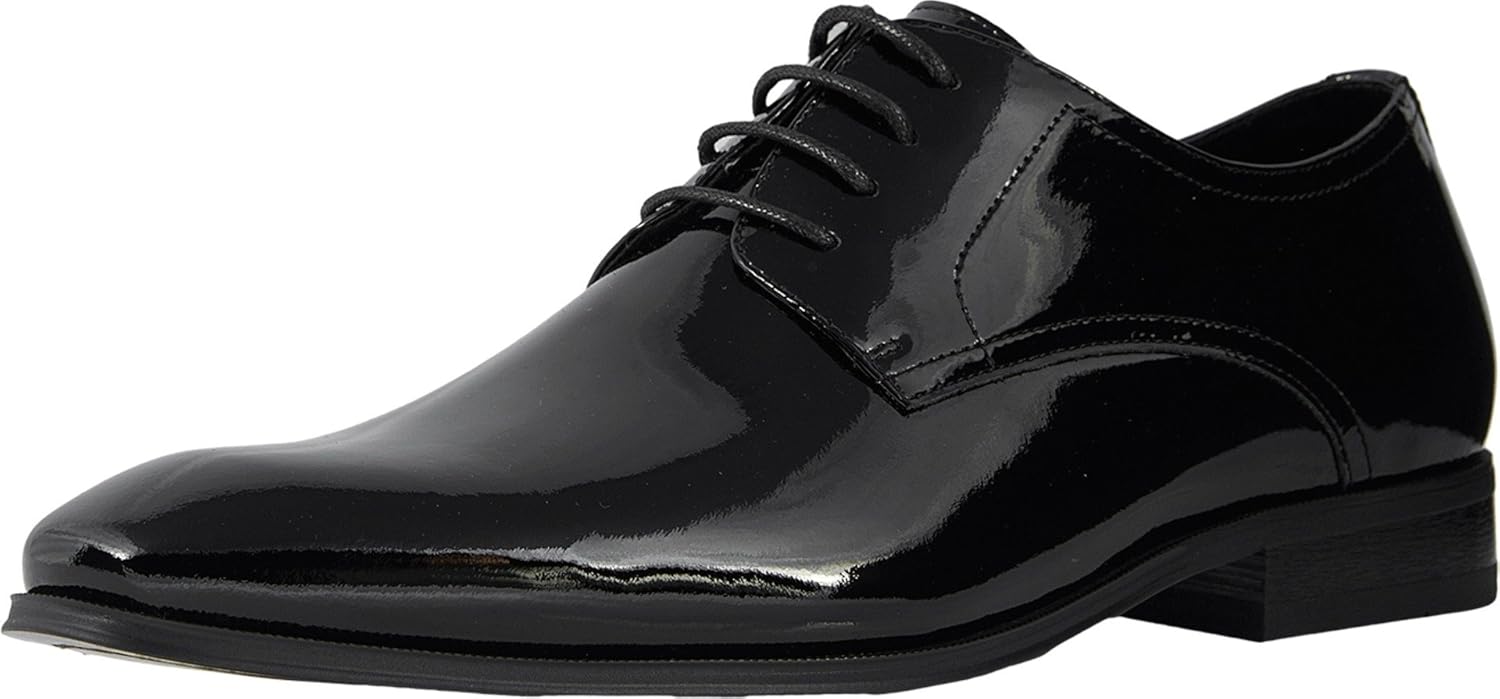
Florsheim · Black
Florsheim Tux Plain-Toe Oxford
A streamlined patent-leather Oxford with a plain toe and a cushioned footbed for special occasions.

Jousen · Black
Jousen Patent Tuxedo Oxford
A high-shine lace-up reserved for tuxedos and deliberately formal evening dress.
QUICK ANSWERS
Questions shoppers ask next.
What is the first thing to check for when should a groom buy his wedding shoes?
Check the date of the final trouser fitting. The actual shoes should be available for that appointment, with enough time beforehand for delivery and a possible size exchange.
Which common mistake changes the When Should a Groom Buy His Wedding Shoes decision most often?
Ordering too close to the wedding is the biggest mistake. It compresses sizing, alterations, break-in, and returns into the same stressful period and leaves no recovery time for a delayed shipment.
How can you confirm alterations for “When Should a Groom Buy His Wedding Shoes” before the return window closes?
Attend a fitting in the exact shoes and socks while returns remain open. Walk, stand, and sit so the tailor can judge the break dynamically, then exchange the shoes before final hemming if fit is not secure.
What nearby wedding choice should you compare while deciding “When Should a Groom Buy His Wedding Shoes”?
Compare the primary ceremony shoe with a tested reception option. If a second pair is planned, its heel height and color should still work with the tailored trousers and photographed outfit.