Quick answer: Condition leather when it begins to look dry, feel less supple or develop a dull surface after cleaning. A fixed weekly schedule can overload shoes that are worn rarely or stored in a moderate climate.
Condition by dryness rather than calendar alone
Condition leather when it begins to look dry, feel less supple or develop a dull surface after cleaning. A fixed weekly schedule can overload shoes that are worn rarely or stored in a moderate climate.
Inspect flex areas and the vamp under neutral light. Fine creasing is normal; pale, rough or stiff-looking crease edges suggest the leather may need moisture after surface dirt is removed.
Climate, wear and storage variables
Frequent wear, air conditioning, winter heating and low humidity can accelerate dryness. Rain, sweat and road salt create different problems and call for drying and cleaning before conditioner is considered.
Shoes in a rotation usually need less frequent treatment than one pair worn daily. Storage near radiators, sunny windows or car interiors can dry leather far faster than the calendar predicts.
Cleaner versus conditioner versus polish
Cleaner removes accumulated soil or old product; conditioner adds lubricating moisture; cream polish restores color and light protection; wax polish builds shine and surface resistance. One product may combine functions, but the labels are not interchangeable.
Do not clean aggressively before every conditioning. Routine brushing and a damp cloth may be enough, preserving the finish and avoiding repeated solvent exposure.
Safe application quantity
Test on a hidden area because conditioners can darken leather. Apply a very thin layer with a clean cloth, work evenly, and allow it to absorb before buffing away residue.
More product does not produce healthier leather. Several light applications separated by inspection are safer than one saturated coat, especially on light colors and fine finishes.
Overconditioning warning signs
Leather that feels tacky, unusually soft, greasy or unable to take a clean shine may have too much product. Dust can cling to the surface and creases may lose definition.
Stop adding conditioner, brush thoroughly and allow the shoes to rest in moving room air. Avoid heat; if heavy buildup remains, consult the maker's care instructions before using a cleaner.
Simple monthly inspection checklist
Brush the shoes, inspect flex points, check for salt or water marks, feel for stiffness and examine the welt edge and heel. This takes less time than automatically applying product.
Condition only the leather types for which the product is intended. Suede, nubuck, patent and heavily coated leather require different care, so confirm the selected Amazon variation's material first.
CURRENT AMAZON OPTIONS
Use these as relevant comparison points.
As an Amazon Associate, we earn from qualifying purchases. Amazon links open the exact listing so you can confirm current size, color, price, and availability.

Rockport · Black
Rockport Margin Oxford
A practical plain-toe option for shoppers who prioritize familiar fit and subdued styling.

Clarks · Dark tan leather
Clarks Tilden Cap Oxford
A classic cap-toe lace-up offered by Amazon in regular and wide sizing.
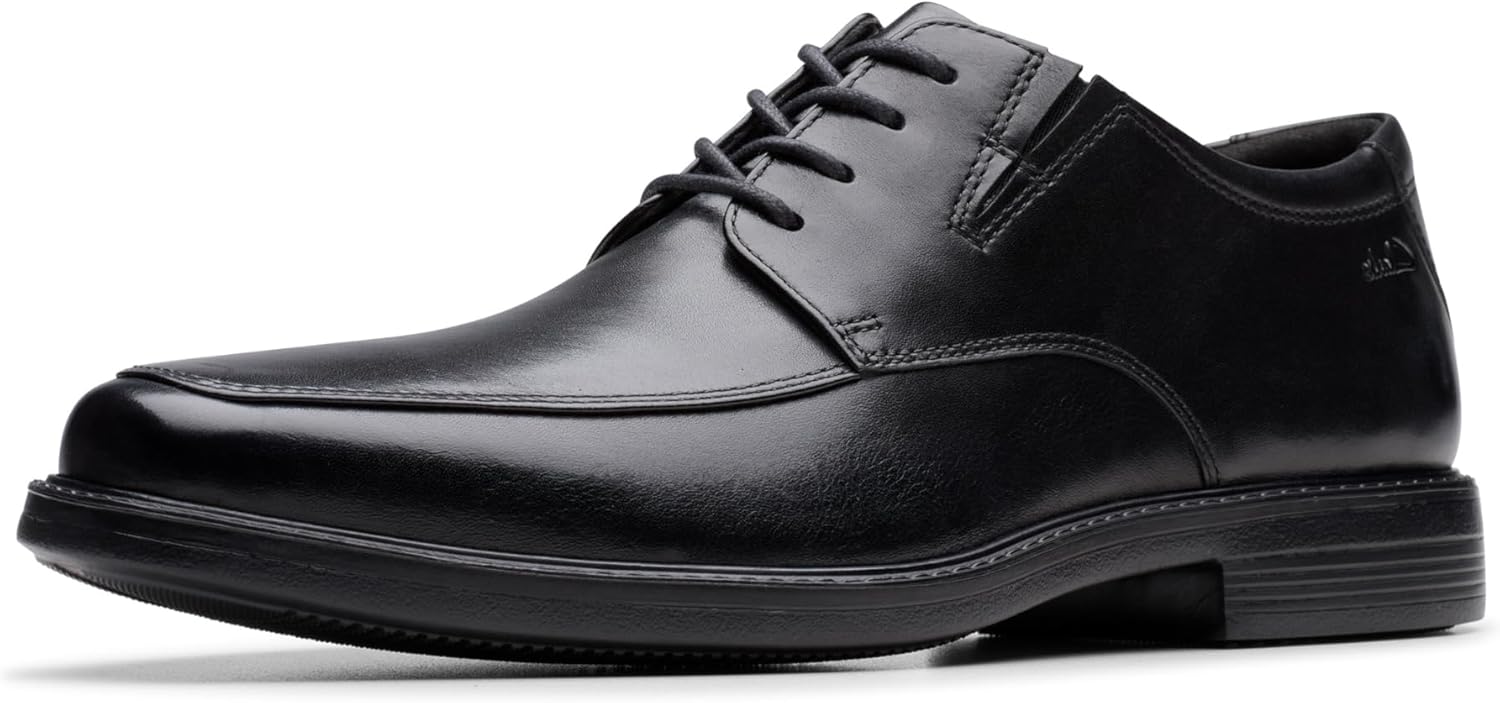
Clarks · Black leather
Clarks Cosgrove Apron Oxford
Amazon describes a premium leather upper, softly squared toe and lightweight impact-absorbing EVA sole.

Clarks · Black leather
Clarks Eastridge Low Oxford
Amazon lists a premium leather upper, stitch-down construction, lace closure, soft foam footbed, and lightweight EVA outsole.
QUICK ANSWERS
Questions shoppers ask next.
Can you condition leather shoes too often?
Yes. Excess conditioner can leave leather tacky, overly soft, darkened or difficult to polish. Inspect for dryness and apply thinly instead of following an aggressive calendar.
Should new dress shoes be conditioned?
Only if the leather appears dry or the manufacturer recommends treatment before wear. New shoes may already contain finishing products, and unnecessary conditioning can alter color or shine.
Is shoe cream the same as conditioner?
Not exactly. Cream polish usually adds pigment and a light protective finish, while conditioner primarily restores suppleness. Some formulas combine functions, so read the product instructions and test first.
How do you know leather is dry?
Dry leather may look dull, feel stiff or show pale, rough crease edges. Brush and inspect it under neutral light; normal smooth creasing alone does not prove that conditioner is needed.