Quick answer: A good standing shoe combines a stable heel, adequate forefoot room, controlled cushioning, and an outsole suited to the floor. The foot should feel supported rather than squeezed or perched on soft foam. A secure lace-up often allows finer adjustment than a loose slip-on, although a well-fitted loafer can still work.
The direct answer for What Makes a Dress Shoe Better for Standing All Day
A good standing shoe combines a stable heel, adequate forefoot room, controlled cushioning, and an outsole suited to the floor. The foot should feel supported rather than squeezed or perched on soft foam. A secure lace-up often allows finer adjustment than a loose slip-on, although a well-fitted loafer can still work.
The best construction depends on whether the wearer stands mostly still, walks continuously, or moves between carpet, tile, and outdoor surfaces. Hard floors increase the value of shock attenuation, while wet service areas make traction critical. Start with the workplace rather than a generic comfort label.
How heel stability changes the decision
The rearfoot should sit level without rolling inward or outward as weight shifts. A broad, firmly attached heel and structured counter provide a steadier base than a narrow heel with excessive compression. Heel height should feel natural, since even a small lift changes pressure under the forefoot during long standing.
Test stability by standing on one foot near a support and then taking several slow turns. The shoe should not let the heel slide sideways or lift dramatically. Minor movement may settle as the sole flexes, but a gaping collar usually indicates the wrong last or volume.
How pressure distribution changes the decision
Long standing exposes any area carrying disproportionate load. A supportive midfoot and cushioned forefoot can spread pressure, but only when the insole follows the foot rather than pushing into it. Burning beneath one metatarsal or concentrated arch pressure is a warning, not a sign that support is working.
Alternating stance and walking briefly during breaks can help circulation, yet footwear still needs the right platform. Removable insoles offer adjustment, but adding a thick insert may crowd the toes or lift the heel. Recheck fit after every insole change instead of assuming more material means more comfort.
How toe room changes the decision
Feet commonly widen and lengthen slightly over a long shift. The toe box should allow the toes to lie flat and move without letting the entire foot slide forward. A rounded or softly tapered shape often provides more usable room than an aggressive point, though exterior appearance does not reveal internal width perfectly.
Check the little-toe joint and the inside ball of the foot after ten minutes of standing. Bulging leather, numbness, or overlapping toes suggest insufficient width. Sizing up may create heel and flex problems, so try a wider fitting or a roomier last first.
How and floor type changes the decision
Concrete and tile transmit more impact than carpet and can make a thin leather sole tiring. A low-profile rubber outsole or cushioned midsole can reduce harshness while preserving a dressy upper. On polished floors, tread compound and heel grip matter as much as padding.
Restaurants, hospitals, and event spaces may introduce water or grease, which requires verified slip-resistance rather than a visually textured sole. Office commuters face a different mix of sidewalks and carpet. Match the outsole to the most demanding regular surface, not the showroom floor.
Common mistakes to avoid with What Makes a Dress Shoe Better for Standing All Day
Assuming that a thick sole guarantees comfort overlooks weight and instability. Oversized shoes are another common response to swelling, but they allow sliding that creates friction and fatigue. Proper width and volume are safer than extra length.
Do not wear a new pair for a complete shift without a controlled trial. Begin with a few hours and bring a proven backup. If pain persists despite correct sizing, consult a qualified foot professional rather than repeatedly buying softer insoles.
A practical before-you-buy checklist
List the floor types, standing hours, walking distance, and dress-code limits of the job. Test both feet late in the day, then assess heel control, toe room, outsole grip, and the stability of the cushioning. Confirm any slip-resistant or orthotic-friendly claim on the exact variation.
Keep the shoes clean during indoor trials and note how they feel after sustained standing, not just a lap around the room. Check return terms before adding insoles or sole protectors. Once confirmed, rotate pairs and let damp interiors dry fully between shifts.
CURRENT AMAZON OPTIONS
Use these as relevant comparison points.
As an Amazon Associate, we earn from qualifying purchases. Amazon links open the exact listing so you can confirm current size, color, price, and availability.

Bruno Marc · Black
Bruno Marc KnitFlex Breeze
A breathable hybrid that reads polished without pretending to be a formal Oxford.
Bruno Marc · Black
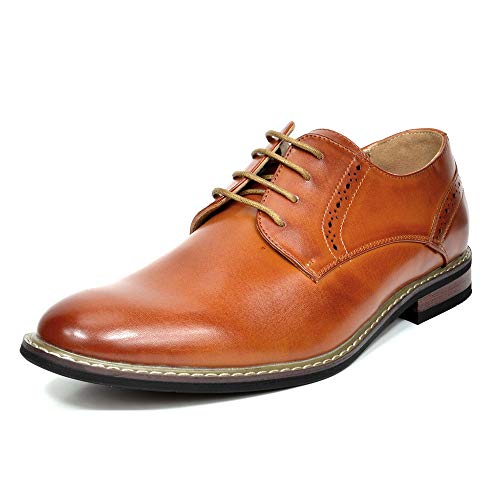
Bruno Marc Men's Classic Comfort Oxford Shoes
Plain-toe lace-up with a soft lining and lightly padded latex footbed.

Clarks · Black tumbled leather
Clarks Bradley Step Loafer
Amazon lists elastic gores, a removable moisture-wicking Ortholite footbed, arch support and a lightweight EVA outsole.

Clarks · Black
Clarks Escalade Step
A restrained slip-on profile with a cushioned, work-ready direction.
QUICK ANSWERS
Questions shoppers ask next.
What is the first thing to check for what makes a dress shoe better for standing all day?
Start with the floor and the number of hours spent stationary versus walking. Those conditions determine the needed traction, cushioning, and stability before style or brand enters the decision.
Which common mistake changes the What Makes a Dress Shoe Better for Standing All Day decision most often?
Buying extra length to gain width is a major mistake. It moves the flex point, loosens the heel, and lets the foot slide; a true wide size or roomier last is usually the better correction.
How can you confirm heel stability for “What Makes a Dress Shoe Better for Standing All Day” before the return window closes?
Stand, turn, and walk slowly on a clean hard floor. The heel should stay centered without large vertical lift or side-to-side roll, and the counter should not create a sharp edge against the ankle.
What nearby comfort choice should you compare while deciding “What Makes a Dress Shoe Better for Standing All Day”?
Compare a lace-up comfort Oxford with a slip-on in the same dress-code range. The lace-up may provide better volume adjustment, while the slip-on may offer convenience if its heel hold is already precise.