Quick answer: A low arch describes foot shape; overpronation describes how the foot moves under load. They can occur together, but not every person with flat feet needs aggressive correction or feels discomfort.
Flat feet versus overpronation
A low arch describes foot shape; overpronation describes how the foot moves under load. They can occur together, but not every person with flat feet needs aggressive correction or feels discomfort.
Choose around symptoms and fit rather than a generic arch label. Persistent pain, swelling, numbness or changes in gait deserve evaluation by a qualified clinician rather than a shoe recommendation alone.
Stable heel counter and midfoot platform
A firm, well-shaped heel counter can reduce unwanted rear-foot movement and help the shoe remain aligned during long standing. It should cradle the heel without pinching the Achilles or creating a hard edge.
Look for a midsole and outsole that resist twisting excessively through the arch while still flexing near the ball of the foot. A broad contact area often feels steadier than a narrow, sharply waisted sole.
Removable insole depth
A removable factory insole creates space for an orthotic or a more supportive replacement. Removing it should not expose rough seams, and the replacement must sit flat without lifting the heel out of the counter.
Measure the orthotic's thickness at heel and forefoot. A deep insert in a shallow dress shoe can crowd the toes, increase instep pressure and cause heel slip even when the labeled size is correct.
Flexibility versus unsupported softness
Soft foam can feel pleasant during a brief try-on but collapse under a full day of standing. Support comes from fit, platform stability and pressure distribution, not from plushness alone.
The forefoot should bend where the foot bends, while the middle of the shoe should not fold like a slipper unless that flexibility suits the wearer. Compare comfort after several indoor minutes, not only the first step.
Orthotic fit and heel security
Bring the intended orthotic and dress socks to the fitting. Lace the shoe fully, then check that the heel remains seated and that the insert does not push the arch into an uncomfortable position.
If the heel lifts after adding the device, a tongue pad or different lacing may help only slightly. A deeper last or another model is safer than sizing longer, which moves the flex point away from the ball of the foot.
When professional fitting matters
Seek professional guidance when foot pain persists, one foot changes shape, calluses recur in one area, or an existing orthotic no longer fits. Diabetes, reduced sensation and circulation concerns also raise the importance of supervised fitting.
For routine shopping, measure both feet late in the day and test on a clean surface. Stop if pressure, burning or numbness appears; those signals are not a normal break-in requirement.
CURRENT AMAZON OPTIONS
Use these as relevant comparison points.
As an Amazon Associate, we earn from qualifying purchases. Amazon links open the exact listing so you can confirm current size, color, price, and availability.
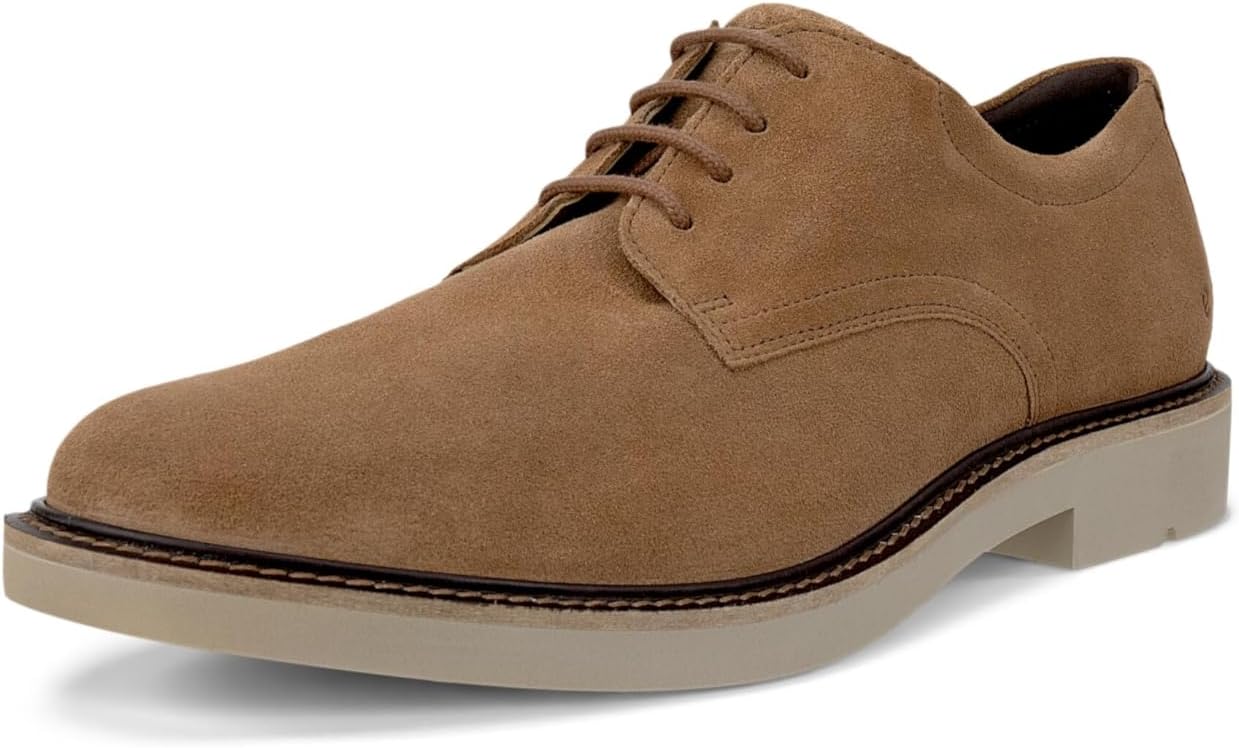
ECCO · Black
ECCO London Plain-Toe Derby
A round-toe derby profile with a removable dual-fit insole on the Amazon listing.

Rockport · Black
Rockport Margin Oxford
A practical plain-toe option for shoppers who prioritize familiar fit and subdued styling.

Bruno Marc · Black
Bruno Marc KnitFlex Breeze
A breathable hybrid that reads polished without pretending to be a formal Oxford.
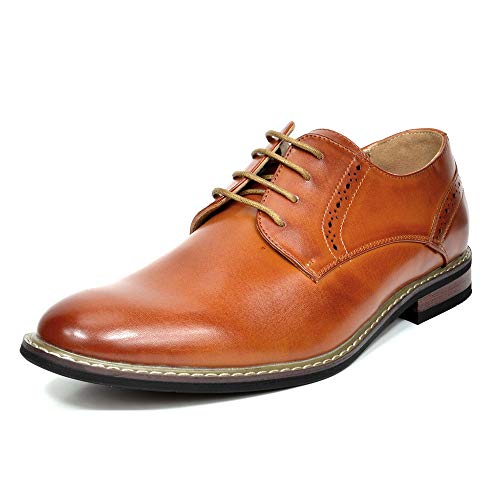
Bruno Marc · Black
Bruno Marc Men's Classic Comfort Oxford Shoes
Plain-toe lace-up with a soft lining and lightly padded latex footbed.
QUICK ANSWERS
Questions shoppers ask next.
Do flat feet need arch support in dress shoes?
Some wearers benefit from support, but a low arch alone does not prescribe one shape or height. Stable fit, appropriate width and comfortable pressure matter first; pain or gait concerns should be discussed with a qualified professional.
Are removable insoles important for flat feet?
They are useful when an orthotic or alternative insert is needed because they preserve more internal space. A removable insole is not automatically supportive, and the replacement must fit without raising the heel or crowding the instep.
Can soft dress shoes make flat feet hurt more?
They can if softness replaces stability or lets the foot slide and fatigue. Cushioning is helpful when it sits on a correctly fitted, adequately stable platform and does not compress into pressure points.
Are dress sneakers better for flat feet?
Some dress sneakers provide more cushioning and removable-footbed space, but the category is not automatically better. Compare heel control, torsional stability, width, flex point and orthotic compatibility model by model.