Quick answer: Orthotics can work in dress shoes when the shoe has enough depth, a secure heel counter, and preferably a removable factory footbed. A slim three-quarter insert is easier to accommodate than a full-length device in a low-volume Oxford. The shoe and orthotic should be fitted as a system rather than purchased independently by size label.
The direct answer for Can You Put Orthotics in Dress Shoes
Orthotics can work in dress shoes when the shoe has enough depth, a secure heel counter, and preferably a removable factory footbed. A slim three-quarter insert is easier to accommodate than a full-length device in a low-volume Oxford. The shoe and orthotic should be fitted as a system rather than purchased independently by size label.
Removing the original insole is not always possible and may expose seams or damage the shoe. If the listing does not state that the footbed is removable, do not assume it is. Take the orthotic to the fitting and confirm that the toes, instep, and heel remain properly positioned after insertion.
How removable footbeds changes the decision
A removable footbed creates space for a full-length orthotic without stacking two support profiles. Lift it carefully from the heel and stop if it appears permanently glued. Compare thickness at the heel and forefoot because a much thicker replacement can reduce volume even when the original comes out cleanly.
Some shoes advertise a removable insole only in selected widths or updated versions. Verify the exact color and size variation and look for current manufacturer details. After replacement, make sure the orthotic lies flat and does not rock over raised internal edges.
How shoe depth changes the decision
An orthotic raises the foot inside the upper. Insufficient depth can press the instep against lacing, lift the heel above the counter, and crowd the toes under the vamp. A deeper Derby, blucher, or dress-casual model often accommodates devices more easily than a sleek low-volume Oxford.
Exterior height can be misleading because lining and padding occupy space. Test the shoe with the exact orthotic and intended sock, then lace it without forcing the facings unnaturally far apart. If the topline sits too low on the heel after insertion, a longer shoe will not necessarily solve the volume problem.
How heel hold changes the decision
A device that lifts the heel reduces how much of the counter surrounds it. Excessive heel rise can cause rubbing and make the shoe unstable on stairs. The heel should remain seated during a normal stride without requiring painfully tight laces.
Three-quarter orthotics may create a ridge beneath the forefoot if they are not designed to transition smoothly. Full-length devices avoid that edge but require more room. Walk on a clean hard surface and pay attention to both vertical slip and forward migration before approving the combination.
How and professional fitting changes the decision
A podiatrist, orthotist, or experienced footwear fitter can identify whether the device is appropriate for the shoe and condition involved. Clinical guidance is especially important for diabetes, significant deformity, persistent pain, or a recent injury. General shopping advice cannot determine the medical correction an individual needs.
Bring several shoe candidates and the socks used at work. A professional can evaluate flex point, heel position, and whether the orthotic changes gait. If the recommended device will not fit the desired formal silhouette, prioritize health and consider a dressier comfort shoe rather than trimming the orthotic without authorization.
Common mistakes to avoid with Can You Put Orthotics in Dress Shoes
Stacking an orthotic on top of a thick factory insole is the most common space error. It raises the foot and duplicates contours, which can create new pressure instead of support. Another mistake is cutting a prescribed device to make it fit without asking the clinician who supplied it.
Do not size up automatically. Extra length shifts the flex point and may worsen heel slip while leaving instep depth unchanged. Search for removable footbeds, multiple widths, and deeper lasts before altering length.
A practical before-you-buy checklist
Confirm whether the orthotic is full length or three-quarter, then measure its thickness and heel lift. Look for removable footbeds, adjustable lacing, adequate depth, and a firm counter. Bring the device to every fitting and evaluate both feet late in the day.
Walk indoors with the final sock and insole setup while the return window is open. Check toe clearance, instep pressure, heel containment, and whether the device lies flat. Follow clinical advice and reject any combination that creates numbness, skin irritation, or unstable movement.
CURRENT AMAZON OPTIONS
Use these as relevant comparison points.
As an Amazon Associate, we earn from qualifying purchases. Amazon links open the exact listing so you can confirm current size, color, price, and availability.

Bruno Marc · Black
Bruno Marc KnitFlex Breeze
A breathable hybrid that reads polished without pretending to be a formal Oxford.
Bruno Marc · Black
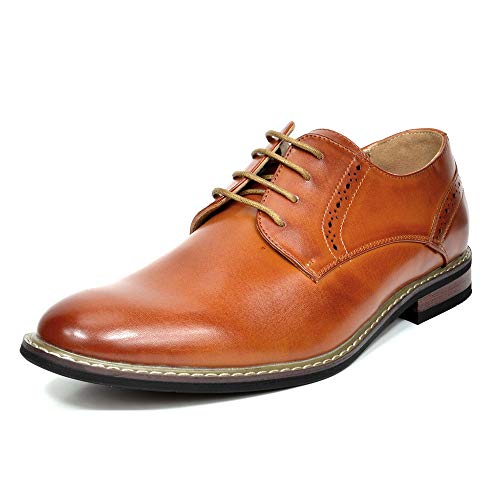
Bruno Marc Men's Classic Comfort Oxford Shoes
Plain-toe lace-up with a soft lining and lightly padded latex footbed.

Clarks · Black tumbled leather
Clarks Bradley Step Loafer
Amazon lists elastic gores, a removable moisture-wicking Ortholite footbed, arch support and a lightweight EVA outsole.

Clarks · Black
Clarks Escalade Step
A restrained slip-on profile with a cushioned, work-ready direction.
QUICK ANSWERS
Questions shoppers ask next.
What is the first thing to check for can you put orthotics in dress shoes?
Check whether the factory footbed is removable and whether the shoe has enough internal depth. The orthotic should replace, not simply stack on, a bulky insole unless a clinician specifically directs otherwise.
Which common mistake changes the Can You Put Orthotics in Dress Shoes decision most often?
Automatically buying a longer size to create space causes many fit problems. Length does not guarantee more instep depth and can place the flex point ahead of the foot while loosening the heel.
How can you confirm removable footbeds for “Can You Put Orthotics in Dress Shoes” before the return window closes?
Verify the exact listing language, then gently test the delivered insole from the heel without tearing or forcing it. Install the orthotic and conduct clean indoor walking trials before discarding packaging.
What nearby comfort choice should you compare while deciding “Can You Put Orthotics in Dress Shoes”?
Compare a deeper Derby with a removable footbed against a slimmer Oxford using a three-quarter insert. The two setups reveal whether adjustability or a lower-profile device better preserves heel hold and formal appearance.