Quick answer: Traditional dress shoes can remain comfortable through a workday when the last suits the foot and the shoe bends in the right place. Firm support is not the same as discomfort, and thick foam is not the same as fit. The heel should stay controlled, the instep should feel evenly held, and the toes should have room without sliding forward.
The direct answer for Can Traditional Dress Shoes Be Comfortable All Day
Traditional dress shoes can remain comfortable through a workday when the last suits the foot and the shoe bends in the right place. Firm support is not the same as discomfort, and thick foam is not the same as fit. The heel should stay controlled, the instep should feel evenly held, and the toes should have room without sliding forward.
All-day comfort also depends on the job. A person seated for most of the day can tolerate a different sole from someone covering miles on concrete. Evaluate hours standing, walking distance, floor hardness, and swelling before deciding whether a leather-soled Oxford or a rubber-soled Derby is the better traditional option.
How correct fit changes the decision
Length, width, instep volume, and heel shape must work together. Sizing up to solve width can place the flex point too far forward and create heel slip, while sizing down to stop slip can crush the forefoot. Try both feet late in the day because many people have one larger foot and noticeable swelling.
A short indoor walk should reveal whether the ball of the foot aligns with the shoe's widest flexing area. Mild sole stiffness may ease, but sharp toe pressure, numbness, and a biting topline are not normal. Compare an adjacent width or a different last before assuming every dress shoe requires suffering.
How stable cushioning changes the decision
Useful cushioning reduces impact without allowing the heel and arch to wobble. A deep, very soft foam can feel impressive for five minutes yet become tiring if the foot constantly works to stabilize. Look for an even platform, a firm heel seat, and enough padding under the forefoot for the surface being walked on.
Removable footbeds can help with adjustment and orthotic use, but they also change internal volume. If the shoe feels correct only after stacking inserts, the upper may become too shallow. Test the final insole arrangement with normal socks and confirm that the heel does not rise out of the counter.
How flex point changes the decision
The shoe should bend where the toes join the foot, not through the middle of the arch or against the tips of the toes. A mismatched flex point can cause rubbing, excessive creasing, and fatigue even when the labeled size seems familiar. Watch the shoe from the side during a normal stride.
Structured leather soles often need several wears to flex more easily, while thin rubber and hybrid soles may feel ready immediately. Neither construction compensates for poor alignment. If the upper buckles deeply behind or ahead of the ball, try a different size or last rather than forcing break-in.
How and rotation changes the decision
Wearing the same pair every day traps moisture and concentrates pressure on the same areas of the foot. Alternating at least two pairs gives linings and insoles time to dry and lets the wearer vary cushioning and toe shape. Shoes also tend to retain their structure longer when they recover between uses.
Rotation does not require a large wardrobe. A black lace-up and a dark-brown Derby or loafer can cover many offices while providing different contact points. Note which pair feels better after long standing, wet commutes, or travel, then assign each shoe to the conditions it handles best.
Common mistakes to avoid with Can Traditional Dress Shoes Be Comfortable All Day
Buying solely by memory-foam thickness is a frequent mistake. Soft padding can mask incorrect width for a few minutes, then compress and reveal the same pressure. Another mistake is accepting heel slip because a salesperson promises the shoe will shrink around the foot; most shoes become looser with wear, not tighter.
Do not test all-day suitability only on carpet. Walk on a clean hard floor, climb stairs, and stand still long enough to notice forefoot pressure. Keep the soles returnable, but make the trial realistic enough to identify instability before committing.
A practical before-you-buy checklist
Measure both feet, wear work socks, and test late in the day. Confirm width availability, removable-insole status, heel stability, and the location of the flex point. Read the exact listing variation because materials and footbeds can change between colors in one product family.
Simulate the hardest part of the normal day with indoor walking and standing. Reject sharp pressure, numbness, or uncontrolled sliding. If the pair passes, introduce it through shorter work periods and rotate it rather than beginning with an uninterrupted twelve-hour day.
CURRENT AMAZON OPTIONS
Use these as relevant comparison points.
As an Amazon Associate, we earn from qualifying purchases. Amazon links open the exact listing so you can confirm current size, color, price, and availability.

Bruno Marc · Black
Bruno Marc KnitFlex Breeze
A breathable hybrid that reads polished without pretending to be a formal Oxford.
Bruno Marc · Black
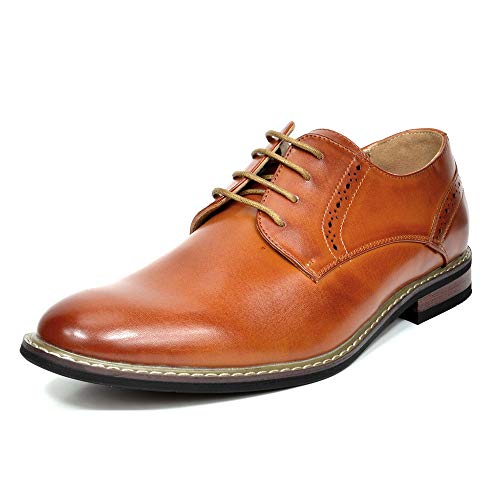
Bruno Marc Men's Classic Comfort Oxford Shoes
Plain-toe lace-up with a soft lining and lightly padded latex footbed.

Clarks · Black tumbled leather
Clarks Bradley Step Loafer
Amazon lists elastic gores, a removable moisture-wicking Ortholite footbed, arch support and a lightweight EVA outsole.

Clarks · Black
Clarks Escalade Step
A restrained slip-on profile with a cushioned, work-ready direction.
QUICK ANSWERS
Questions shoppers ask next.
What is the first thing to check for can traditional dress shoes be comfortable all day?
Check whether the last matches the foot in length, width, instep, and heel volume. Correct geometry matters more than the amount of padding and should be evaluated with the intended socks late in the day.
Which common mistake changes the Can Traditional Dress Shoes Be Comfortable All Day decision most often?
Choosing the softest footbed while ignoring width and flex point causes many failures. Foam compresses, but a shoe that bends in the wrong place or pinches the forefoot remains uncomfortable.
How can you confirm correct fit for “Can Traditional Dress Shoes Be Comfortable All Day” before the return window closes?
Walk and stand indoors on a clean hard surface for several sessions. Check that the heel stays controlled, the ball aligns with the flex point, toes remain free, and no numbness or focused pressure develops.
What nearby comfort choice should you compare while deciding “Can Traditional Dress Shoes Be Comfortable All Day”?
Compare a structured leather dress shoe with a rubber-soled comfort model in the same formality lane. The difference clarifies how much flexibility, traction, and cushioning the actual workday requires.